
Unsafe facilities cause real consequences.
Recreational facilities—climbing gyms, trampoline parks, adventure courses, ski and bike parks, pools, and fitness centers—trade on controlled risk. People sign up expecting challenge, not preventable hazards created by poor maintenance, understaffing, inadequate instruction, or equipment that fails under ordinary use. When injuries occur in these settings, the central question is usually not “was the activity risky?” but whether the operator managed foreseeable risks responsibly and whether safety systems actually functioned the way the marketing and policies suggest.
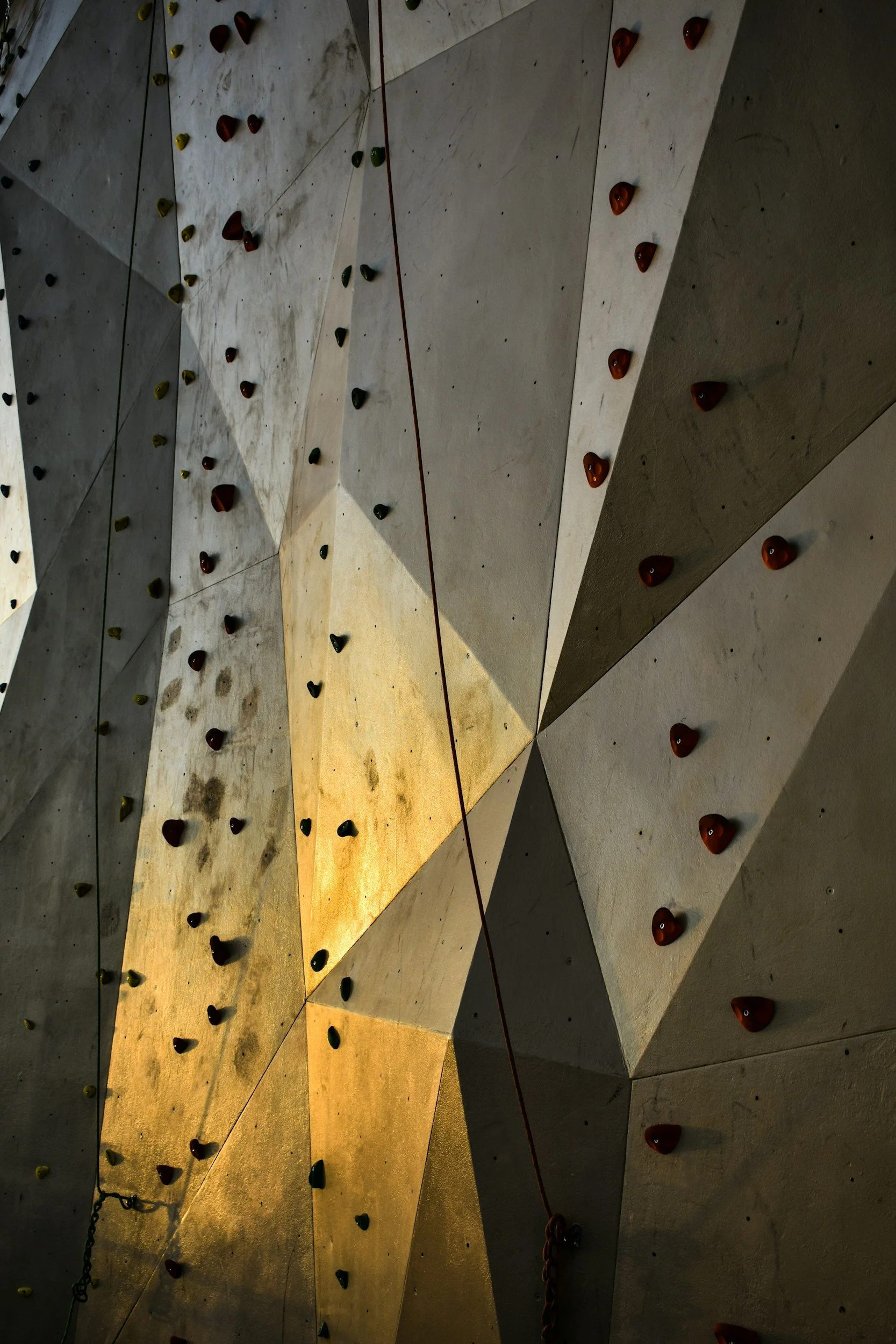
These cases often involve high-consequence injuries: concussions and head trauma from falls; fractures and ligament tears from improper landings or collisions; spinal injuries; shoulder and knee injuries tied to poorly designed routes, unsafe spotting, or inadequate supervision; lacerations and hand injuries from damaged holds or surfaces; drowning or near-drowning events; and injuries caused by defective harnesses, carabiners, auto-belays, ropes, anchors, or padding systems. In climbing gyms specifically, common fault lines include route setting that creates foreseeable fall hazards, malfunctioning or improperly maintained auto-belays, inadequate instruction or supervision for beginners and youth climbers, and failures in inspection, staff training, or incident response.
When an injury happens, early steps matter because evidence is often under the facility’s control. Seek medical care promptly. Request an incident report and the names of staff who responded. Take photographs of the area, equipment, signage, route tags, padding, and any visible defects. Identify witnesses. Preserve the gear involved if it is yours, and ask that the facility preserve any relevant equipment, maintenance logs, training records, and surveillance footage. Do not assume video will exist or be kept; many systems overwrite quickly. Be cautious about post-incident forms that contain broad releases or admissions—those documents can shape the story long before the full nature of the injury is known.
In Washington, liability waivers are common in recreational settings, but they are not a free pass. The enforceability of a waiver often turns on its wording, how it was presented, and whether it clearly covered the particular risk at issue; even when a waiver applies, it may not protect against every category of misconduct. Cases may involve comparative-fault arguments—claims that the injured person ignored instructions, took an improper risk, or used equipment incorrectly—so careful documentation and early case framing are essential.
These matters typically progress on a disciplined track. The first phase is investigation and preservation: identifying the precise mechanism of injury and securing the evidence that proves it. The second phase is technical development: assessing equipment condition and maintenance practices, reviewing training materials and safety policies, evaluating staffing and supervision, and consulting experts when needed (engineering, human factors, biomechanics, or industry-standard specialists). The third phase is claim presentation and negotiation—often after a clear liability narrative and damages picture has been built—followed by litigation if the facility or insurer disputes responsibility or undervalues the harm. The objective is straightforward: distinguish inherent recreational risk from preventable safety failure, and pursue accountability that matches the seriousness of the injury and its long-term impact.