
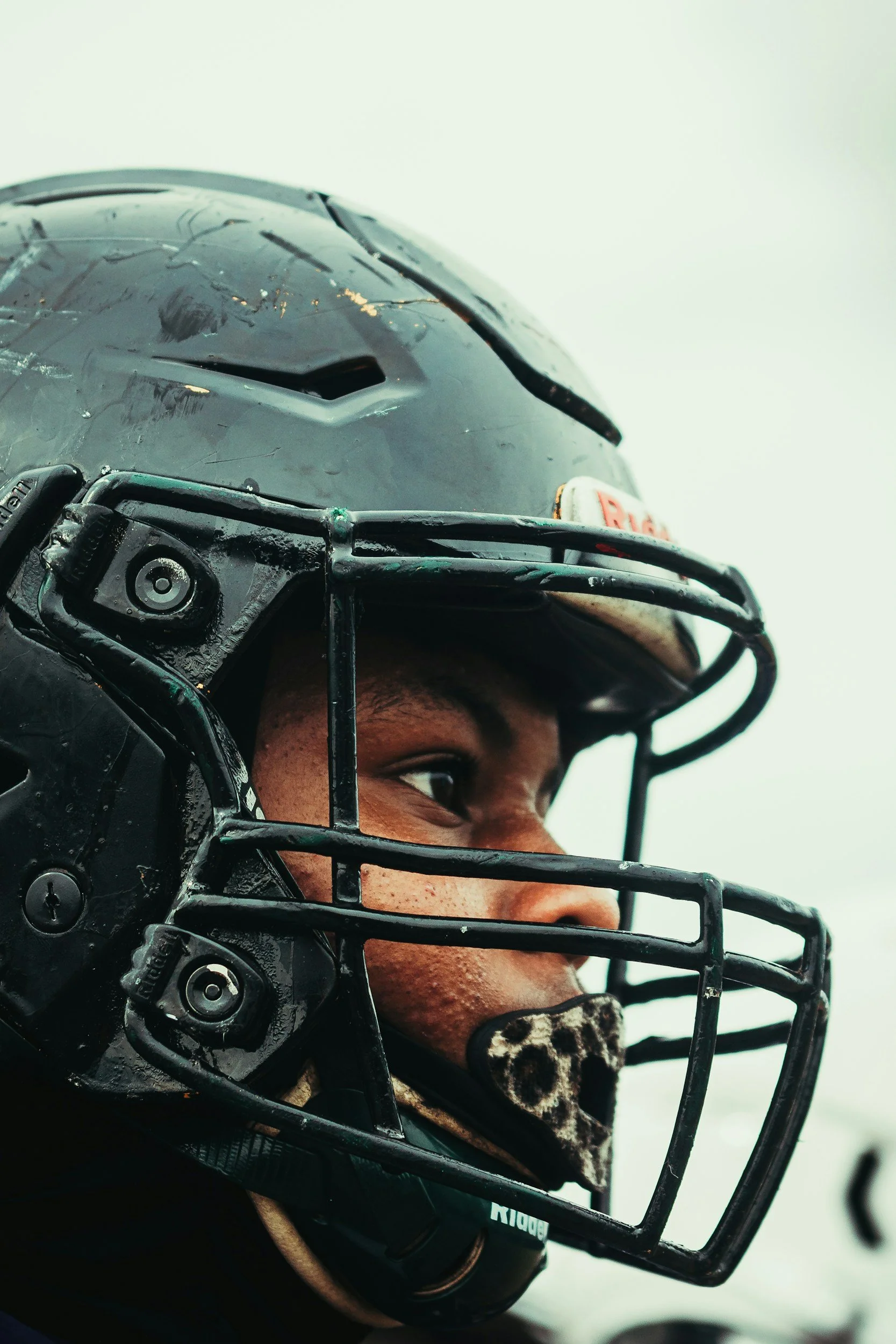
When manufacturers cut corners, kids and athletes pay the price.
Sports at any level always involve some risk, but they should not involve preventable failure. When athletic equipment is defectively designed, poorly manufactured, or sold without adequate warnings, the result can be a life-changing injury that has nothing to do with “playing hard” and everything to do with a product that did not perform as promised. These cases arise across youth, high school, collegiate, and adult sports, and they often involve equipment marketed as protective—helmets, pads, mouthguards, training devices, goals, nets, and specialty gear—where the margin for error is small and the consequences are severe.
Sports-equipment product cases are technical by nature. The key questions are not just what happened in the moment, but why the equipment failed under foreseeable conditions of use: whether a helmet’s design dissipated impact as claimed, whether materials degraded prematurely, whether a manufacturing defect compromised structural integrity, whether instructions and warnings were adequate, and whether the product complied with—or fell short of—applicable safety standards and testing protocols. Effective litigation requires early preservation of the equipment, careful chain-of-custody, and collaboration with engineers, biomechanics experts, and industry specialists who can explain failure modes in clear, jury-ready terms.
Examples of product-liability issues in athletics include: helmets that crack, detach, or fail under foreseeable impact; face masks, chin straps, or retention systems that malfunction; pads or protective gear that separate, tear, or compress in ways that defeat their protective function; defective mouthguards or athletic braces that are improperly sized, degrade prematurely, or create additional injury risk; training devices and weight equipment with faulty locking mechanisms, welds, cables, or anchors; portable goals or backboards that tip because of defective design, missing counterweights, or inadequate warnings; and playing-surface products—such as turf systems, mats, or padding—sold with performance representations that do not match real-world traction, shock absorption, or installation tolerances. In many cases, the product is not “bad luck”; it is a preventable failure rooted in design choices, quality-control breakdowns, or incomplete warnings.
These claims are typically litigated on a disciplined track. The case begins with preservation of the product and an early investigation of the incident, including medical records and any video, training logs, or maintenance history. The litigation then turns to disclosure and discovery: obtaining design drawings, testing data, quality-control records, internal communications, prior claims, and recall information, and taking depositions of engineers, corporate representatives, and any involved organizations. Expert work is central and is usually phased—initial inspection and failure analysis, followed by opinions on defect and causation, and then damages proof addressing long-term impairment, future care, and vocational impact. Many cases resolve after key discovery and expert disclosures clarify trial risk; others proceed through dispositive motions and, when necessary, to a jury.
Because defendants often frame these injuries as “assumption of risk,” a successful claim depends on separating inherent athletic risk from preventable product defect. Athletes accept contact; they do not accept equipment that fractures, detaches, or performs below its advertised protection when used as intended. This office builds these cases from the ground up: securing evidence, investigating design and manufacturing history, examining prior incidents and recalls where relevant, and presenting damages in a way that reflects the long arc of recovery—medical care, time loss, future limitations, and the lasting impact on sport, school, and work.
The objective is straightforward: accountability that matches the harm. When a product marketed for safety contributes to serious injury, the law provides a pathway to recover for medical expenses, lost earning capacity, and the human costs that do not fit neatly on a spreadsheet. Athletics matters, but so does safety—and when equipment fails, the response should be precise, well-supported, and prepared for court.