
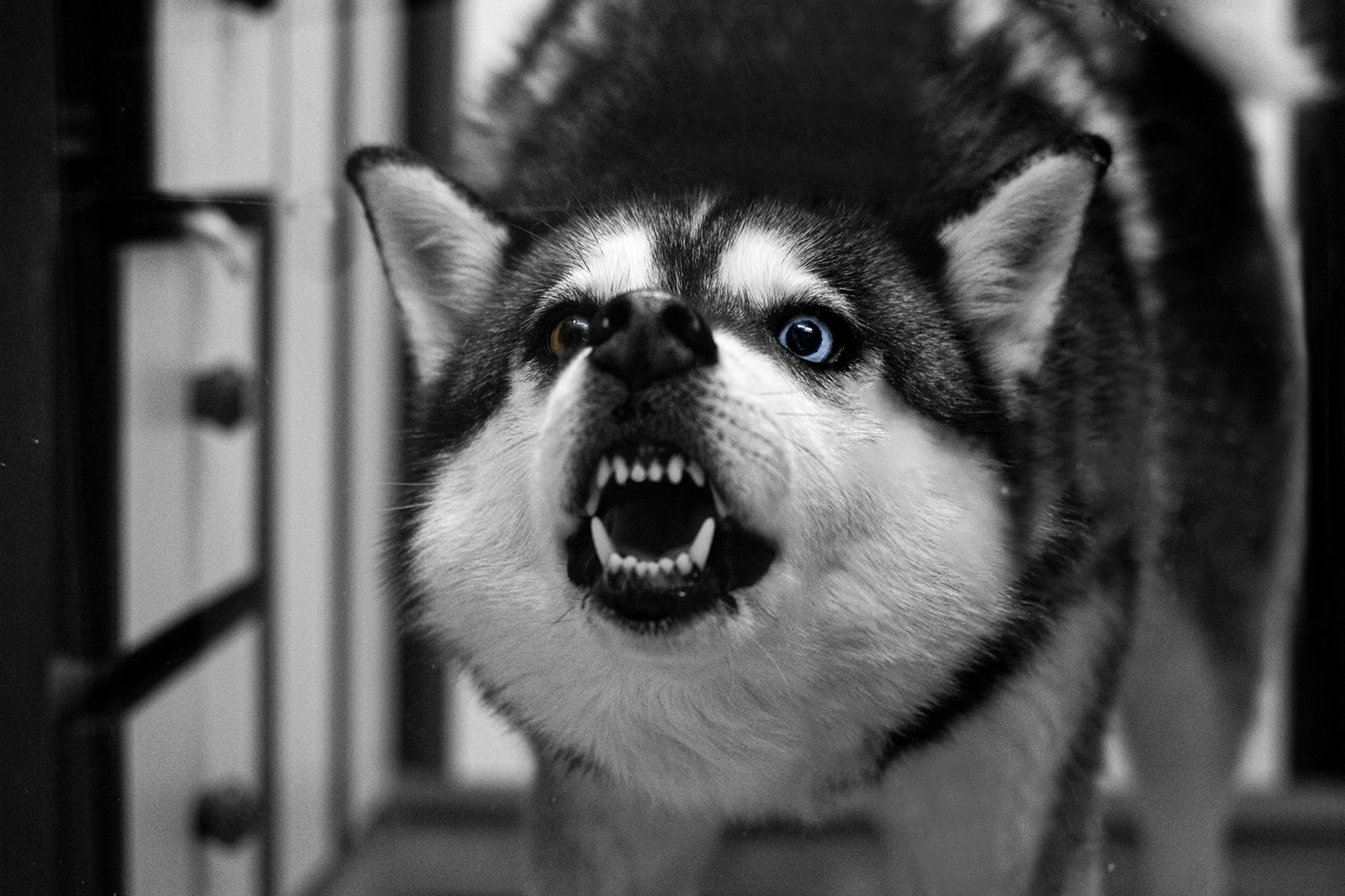
Dog bite claims done right.
Dog bites and serious animal attacks are rarely “minor incidents.” They can cause deep lacerations, infection, nerve and tendon damage, scarring, and lasting fear—especially for children. Even when the physical wounds heal, the experience can change how a person moves through daily life: walking in a neighborhood, visiting parks, or simply feeling safe around animals. These cases also tend to escalate quickly because homeowners’ insurance, renters’ insurance, landlords, and animal-control agencies may all become involved.
Washington law provides a clear framework for many bite cases. Liability often turns on ownership and control of the dog, where the attack occurred, and the nature of the injury. In practice, dog-bite claims frequently involve more than one responsible party: owners who failed to restrain or control an animal, property owners or landlords who permitted a known risk to continue, and sometimes third parties responsible for supervision or containment. The damages can extend well beyond emergency treatment, including follow-up care, plastic or reconstructive consultation, lost income, and the long-term impact of visible scarring or trauma.
The practical steps after a bite matter. Seek medical care promptly and follow through with wound care and infection monitoring. Document the injury with photos over time, obtain the dog owner’s identity and insurance information if possible, identify witnesses, and report the incident to the appropriate animal-control authority so the event is independently documented. Preserve clothing and any torn items. Avoid quick, informal resolutions before the medical course is clear; bite wounds can evolve, and scar management often unfolds over months.
This office approaches dog-bite cases with a careful, fact-forward style: investigating what happened, assessing liability, and presenting damages in a way insurers and juries will respect. Parker’s perspective here is also unusually informed—years of experience as a dog trainer, breeder, and exhibitor provide a practical understanding of canine behavior, handling standards, and the difference between unavoidable animal behavior and preventable human failure.